Drobe

A cross-platform capsule wardrobe app that reduces decision fatigue and encourages sustainable fashion habits through colour-first outfit planning and offline-first architecture.
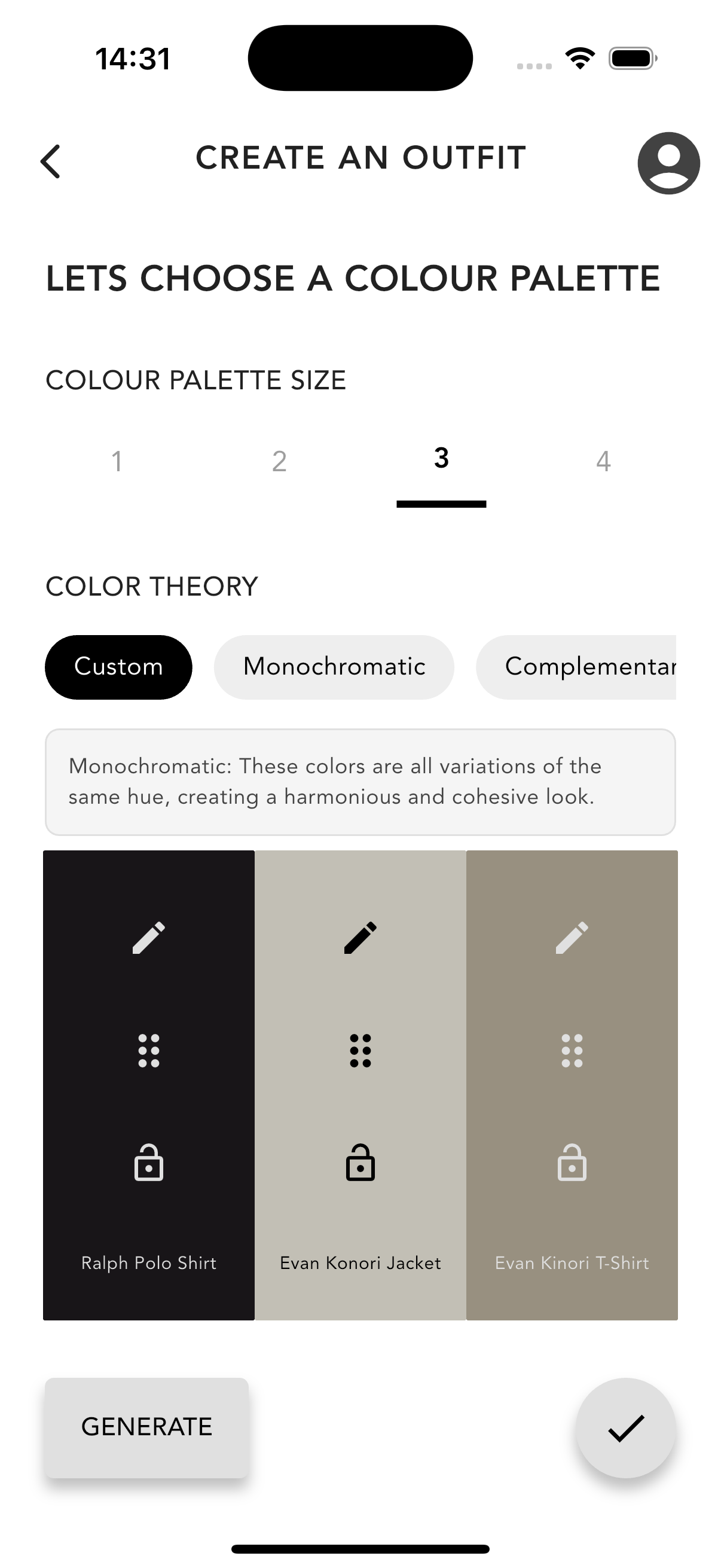
AI-assisted colour palette generator screen in Drobe
Palette generator for AI-assisted colour theory recommendations
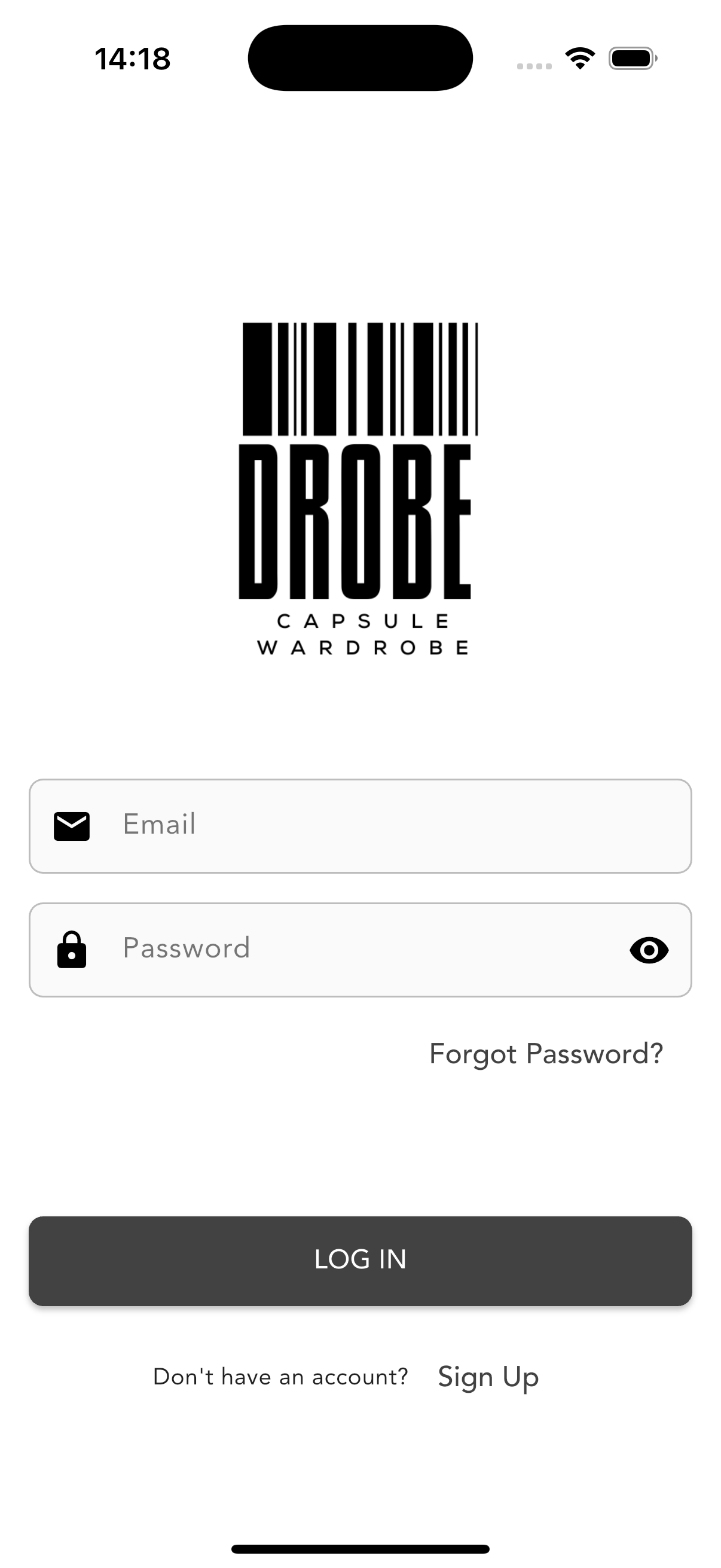
Drobe login screen
Minimal onboarding with secure authentication
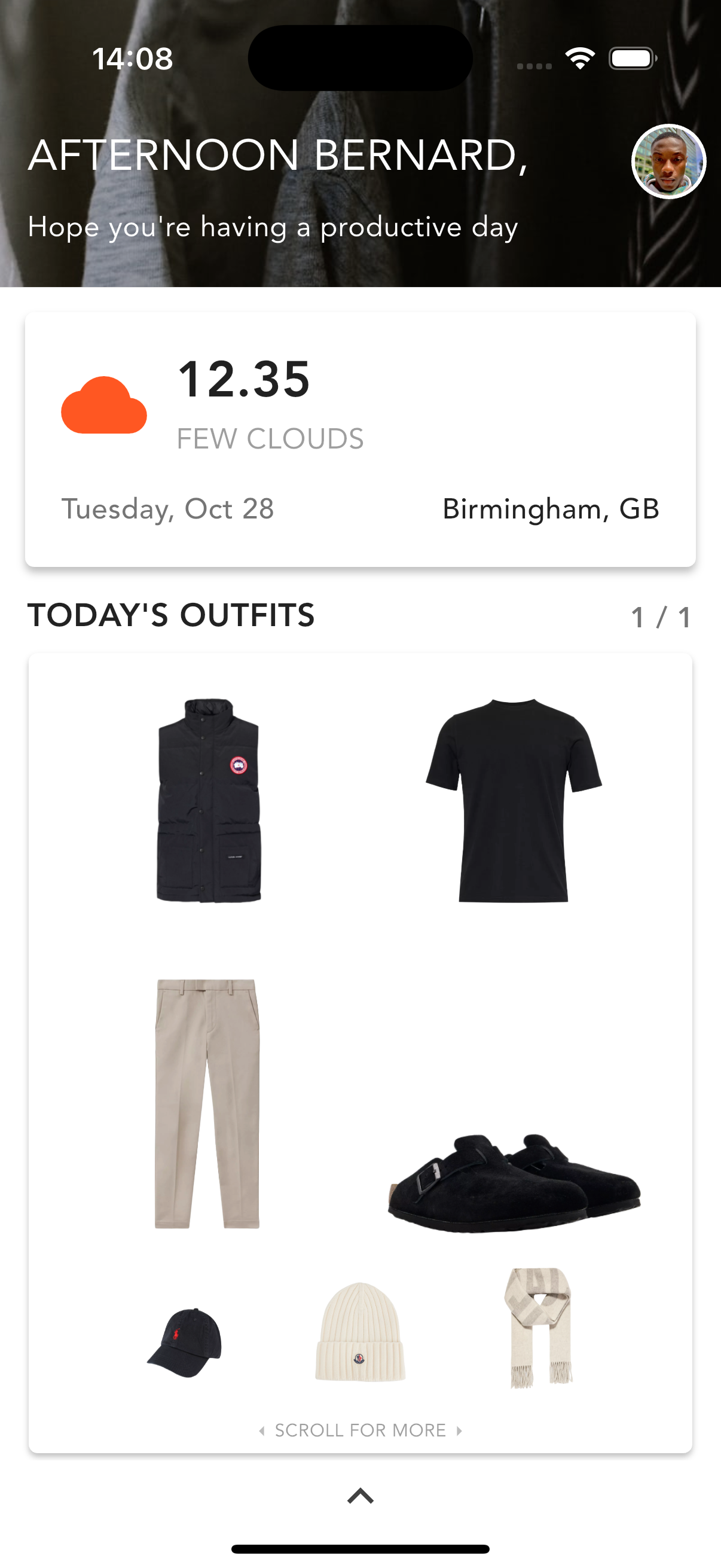
Drobe daily dashboard with weather, outfits and quick actions
Daily overview with weather-aware outfit prompts

Overview

Drobe is a mobile application designed to help users build a sustainable capsule wardrobe by digitising their clothing, planning outfits via a colour-first workflow, and generating harmonious colour palettes.

Built with an offline-first architecture using Hive for local persistence, the app remains fully functional without internet connectivity — respecting user privacy and device constraints.

Developed as my final-year Computer Science project, Drobe demonstrates end-to-end product thinking — from research-informed design decisions to production Flutter implementation.

Source Code

Explore the full Flutter implementation and run the app locally via the public GitHub repository.

View repository

Problem

Users often own an excess of clothing but still feel they have "nothing to wear." The challenge: help users reduce decision fatigue, limit overconsumption, and plan outfits that align with their personal style — without adding friction or complexity.

Research & Insights

Competitive & literature-informed research

  • Reviewed existing wardrobe apps (Stylebook, Cladwell, Pureple) to identify gaps in decision-fatigue support, sustainability nudges, and offline flexibility.
  • Analysed app store feedback to understand common user frustrations: complex interfaces, feature overload, and reliance on cloud connectivity.
  • Anchored the problem in decision fatigue theory and capsule wardrobe research showing reduced stress and more intentional consumption with constrained choices.
  • Applied colour harmony principles (monochromatic, complementary, analogous) to support mix-and-match behaviour in capsule wardrobes.

What that changed in the product

  • Filters and saved outfits became core "decision load reducers".
  • Palette selection became the entry point to outfit creation.
  • Offline-first became a must-have requirement, not a nice-to-have.

Design Rationale

Design principles

  • Reduce decision fatigue: narrow choices via colour + category filtering and reusable saved outfits.
  • Encourage sustainable habits by default: increase awareness of owned items and support rotation/reuse without "preaching".
  • Offline-first & privacy-respecting: wardrobe data stays on-device; the app remains useful without connectivity.

Key UX decisions (and why)

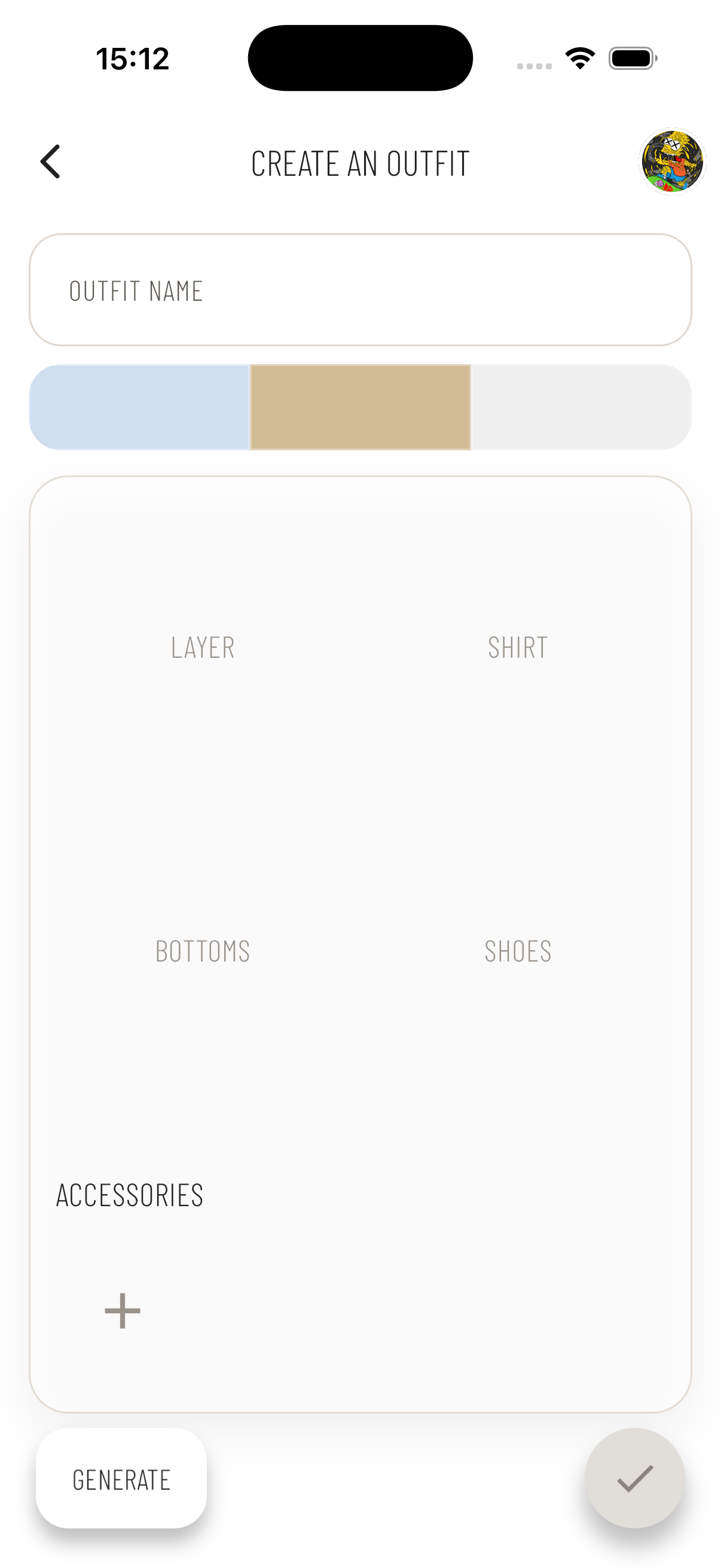
  • Colour-first outfit building: selecting a palette first encourages cohesion and makes capsule dressing easier.
  • Structured outfit slots over drag-and-drop: better for small screens and reduces interaction complexity during planning.
  • Background removal: cleaner tiles reduce visual noise and help users "see the outfit" faster.

Prioritisation

Using the MoSCoW method to define scope and prevent feature creep:

Must-have

Add/edit/delete items, save outfits, full offline use, colour filtering.

Should-have

Background removal, palette generation, stronger search/filtering.

Could-have

Laundry tracking, daily outfit suggestions.

Won't-have (yet)

Seamless cloud sync + social/community features (deferred to protect MVP scope).

This prevented feature creep and kept the build focused on reducing outfit-planning friction.

Key Flows

Wireframing & Prototyping

Designed key screens in Figma with a neutral, minimal aesthetic, starting from low-fidelity Whimsical wireframes.

Palette-first outfit creation

Users select or generate a colour palette before browsing items. This constrains choice and guides cohesive outfit building.

Structured outfit slots

Rather than freeform drag-and-drop, users place items into predefined slots (top, bottom, shoes, accessories) for faster mobile interaction.

Filtering & search

Filters by category, colour, and occasion reduce the number of items to browse at once, lowering cognitive load.

Build & Architecture

Constraints

Needed to run fully offline and remain fast with many image assets.

Technical choices (in service of UX)

  • Flutter for consistent cross-platform UI and performance for image-heavy workflows.
  • Hive for lightweight local persistence (fast reads/writes; privacy-first storage model).
  • MVVM + modular services (e.g., image processing, persistence, outfit logic) to keep the codebase scalable and maintainable.

Testing & Validation

  • Exploratory testing, scenario-based testing, checklist testing, regression testing to validate core flows.
  • Heuristic evaluation against Nielsen's principles (clarity, feedback, consistency, error prevention).
  • Cross-platform checks on iOS + Android; verified offline behaviour (e.g., airplane mode).

Challenges & Solutions

Reliable image persistence

Fixed iOS path issues by storing images in the documents directory and normalising orientation metadata.

Palette extraction accuracy on patterned items

Extract colours after background removal; cap stored colours; allow manual edits.

UI not refreshing after data changes

Integrated Hive updates with Provider state + notifyListeners() for reactive UI refresh.

Responsive layout across devices

Adaptive grids + theme/text scaling checks.

Key Screens

Add new wardrobe item form in Drobe

Add new item

Capture garment details with imagery, descriptions, and colour selection.

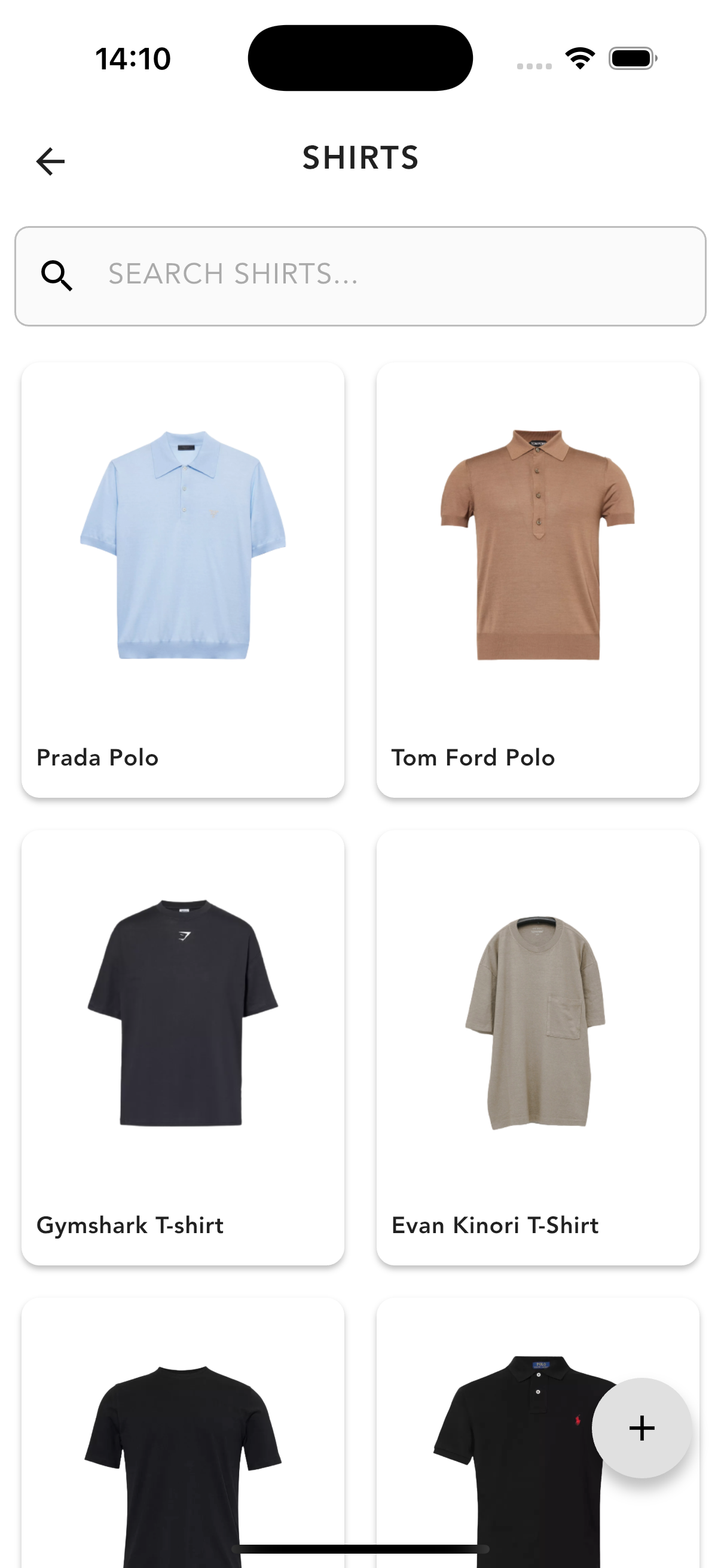
Drobe wardrobe item list showing shirts

Wardrobe inventory

Browse item collections with search, filters, and quick actions.

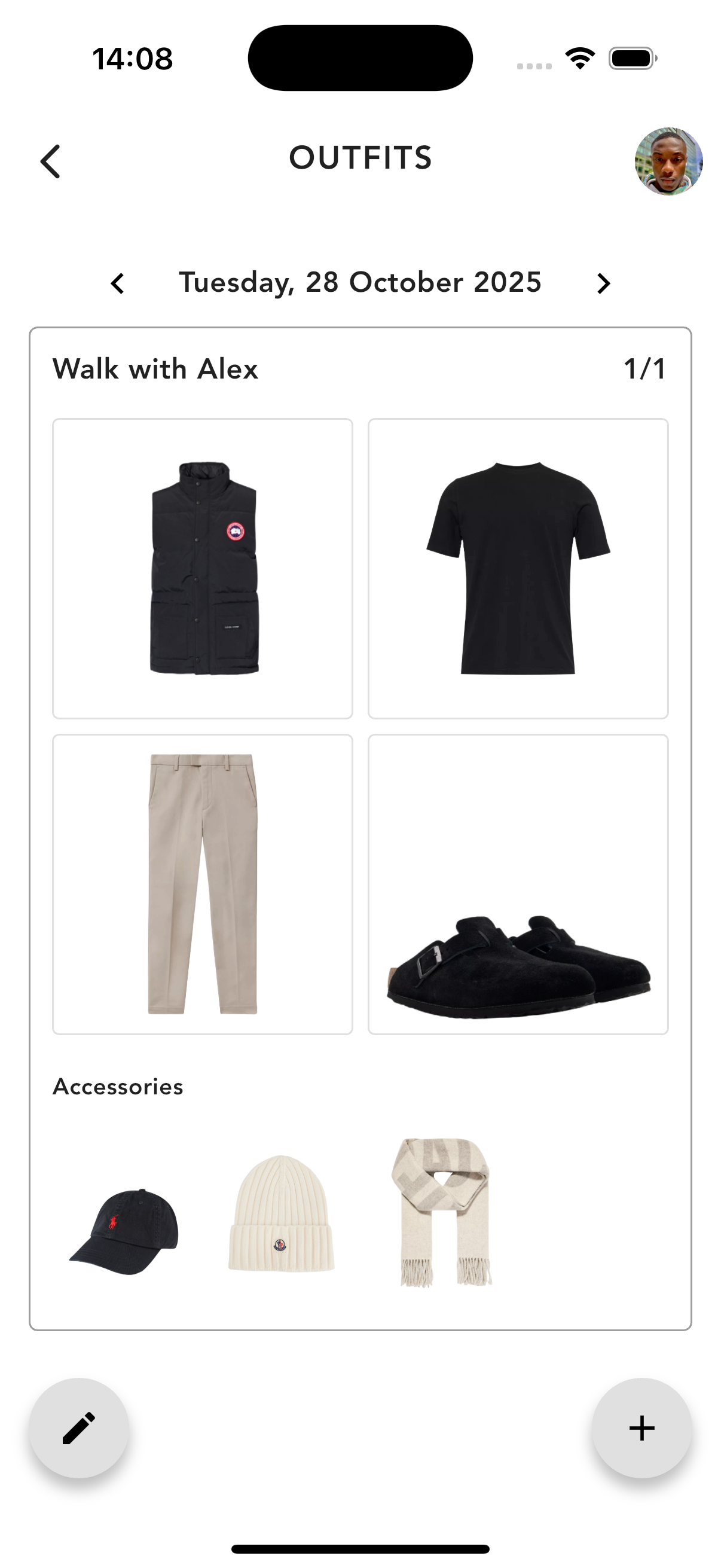
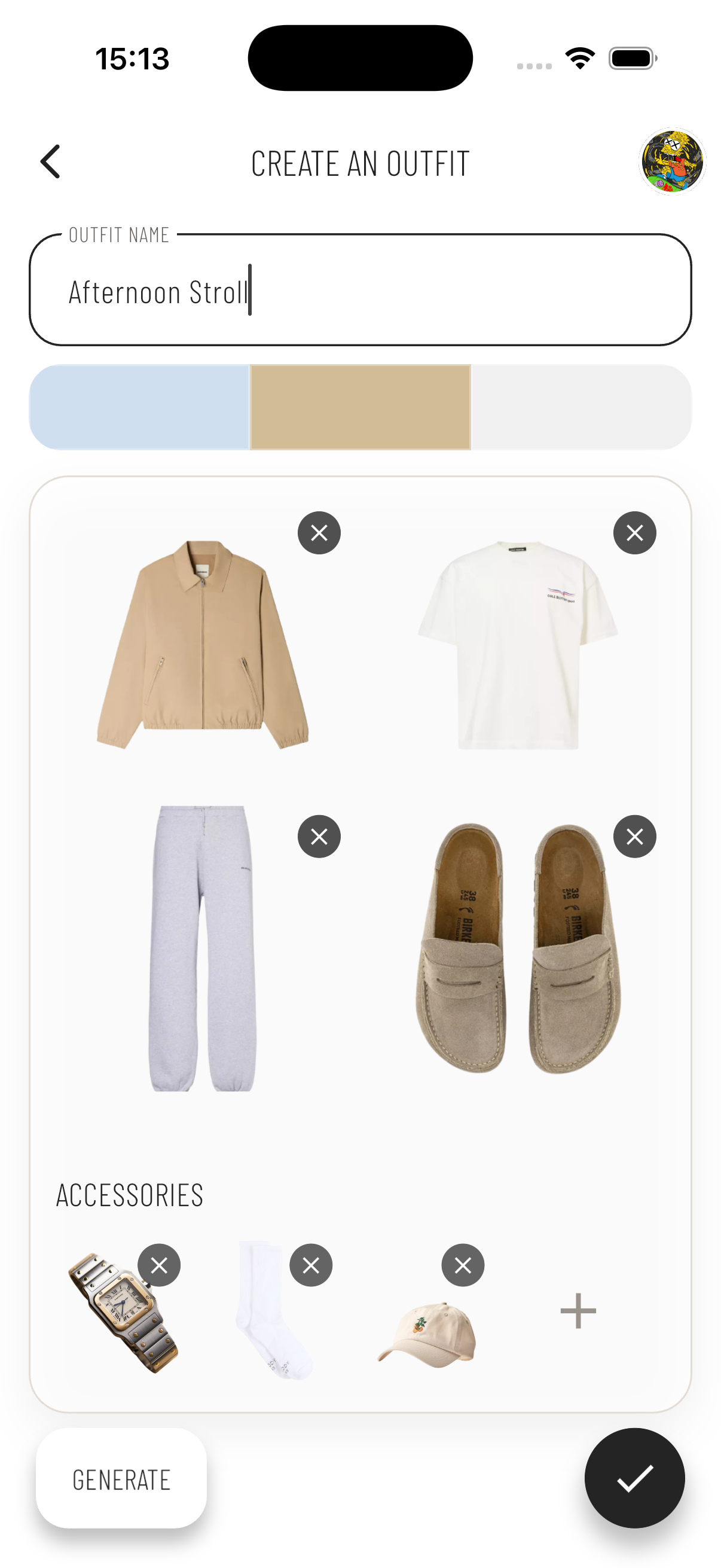
Drobe outfit planner showing a complete look with accessories

Outfit planner

Compose head-to-toe looks using draggable garment cards.

Editing an outfit combination in Drobe

Editable outfit layouts

Fine-tune pieces on the fly with inline edit and delete controls.

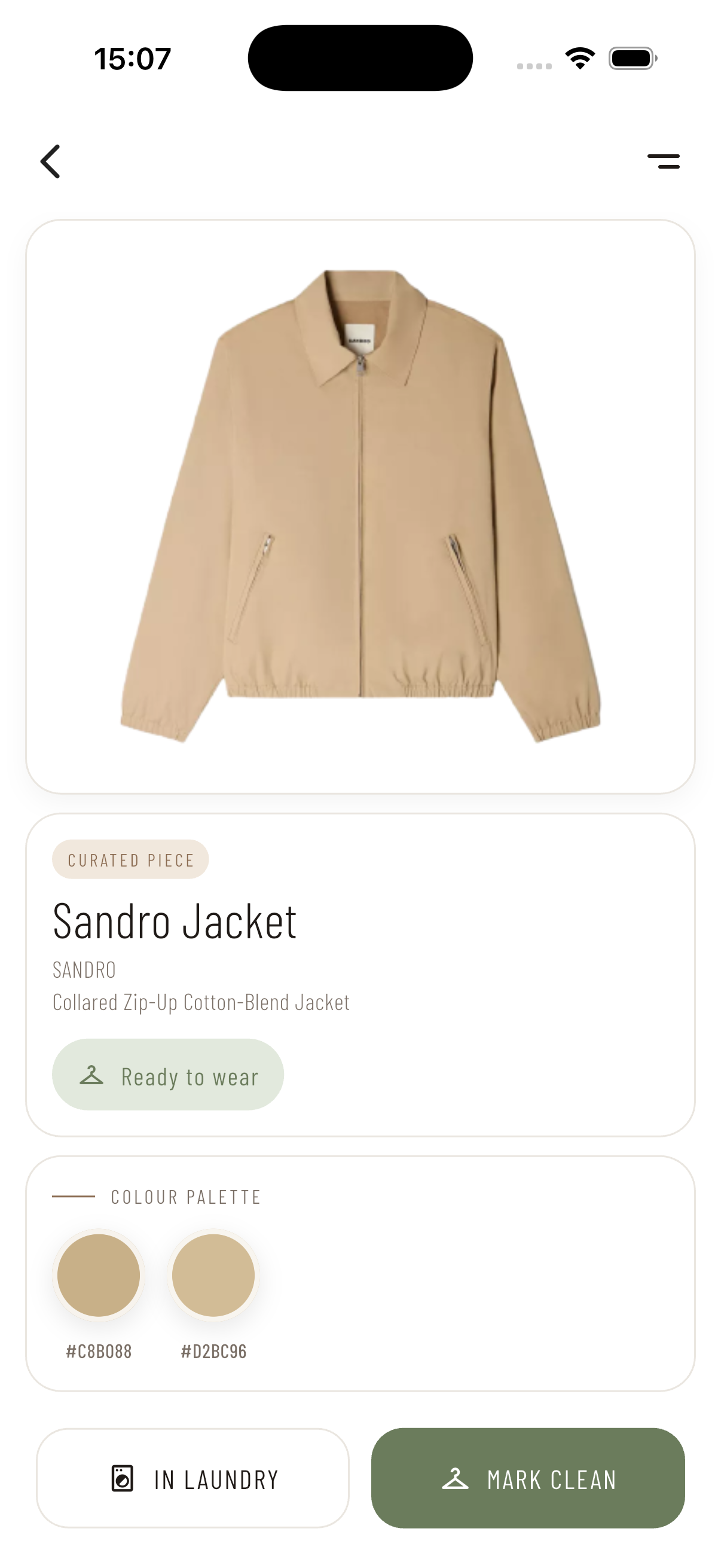
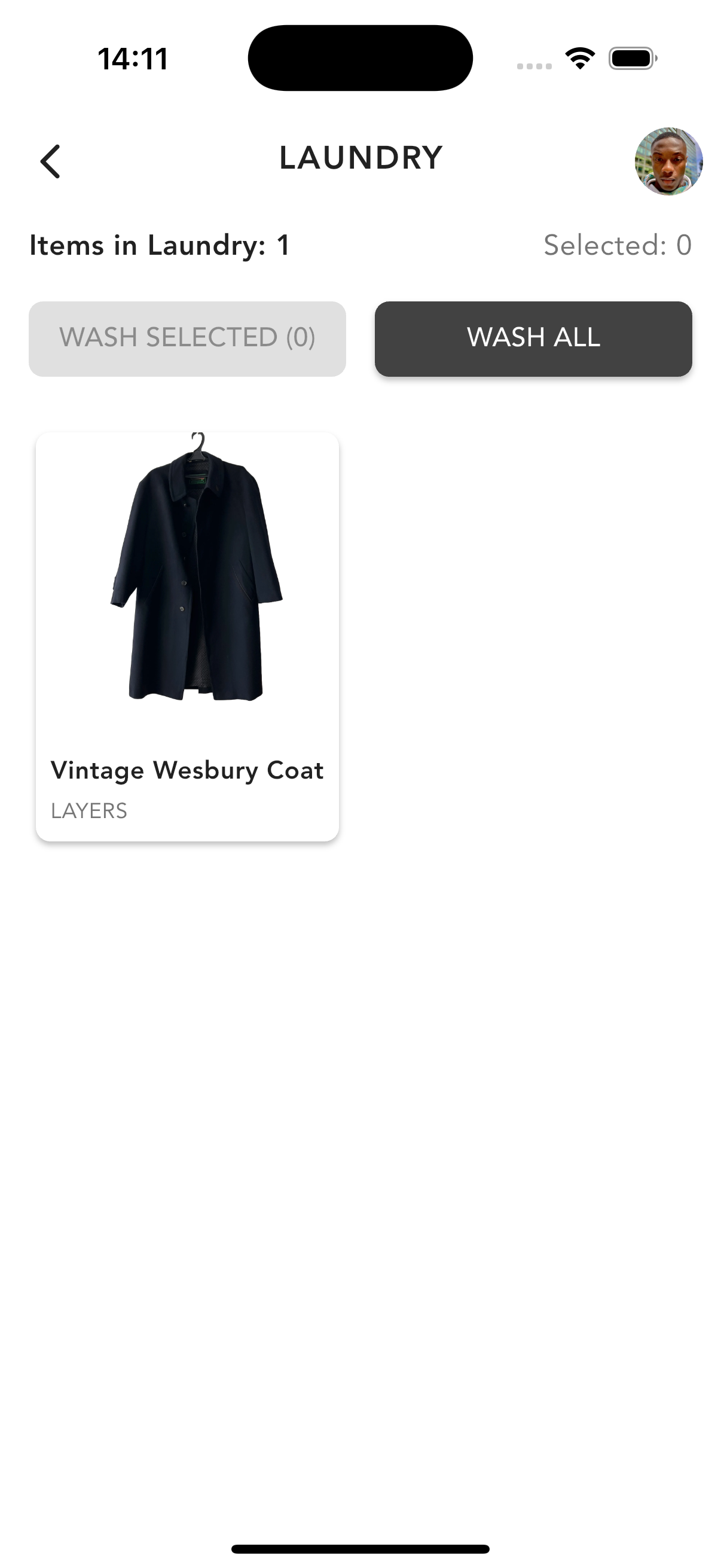
Laundry management screen in Drobe

Laundry tracking

Move items through laundry states to keep the wardrobe status accurate.

Accessories catalogue inside Drobe

Accessories catalogue

Maintain complementary pieces with rich imagery and metadata.

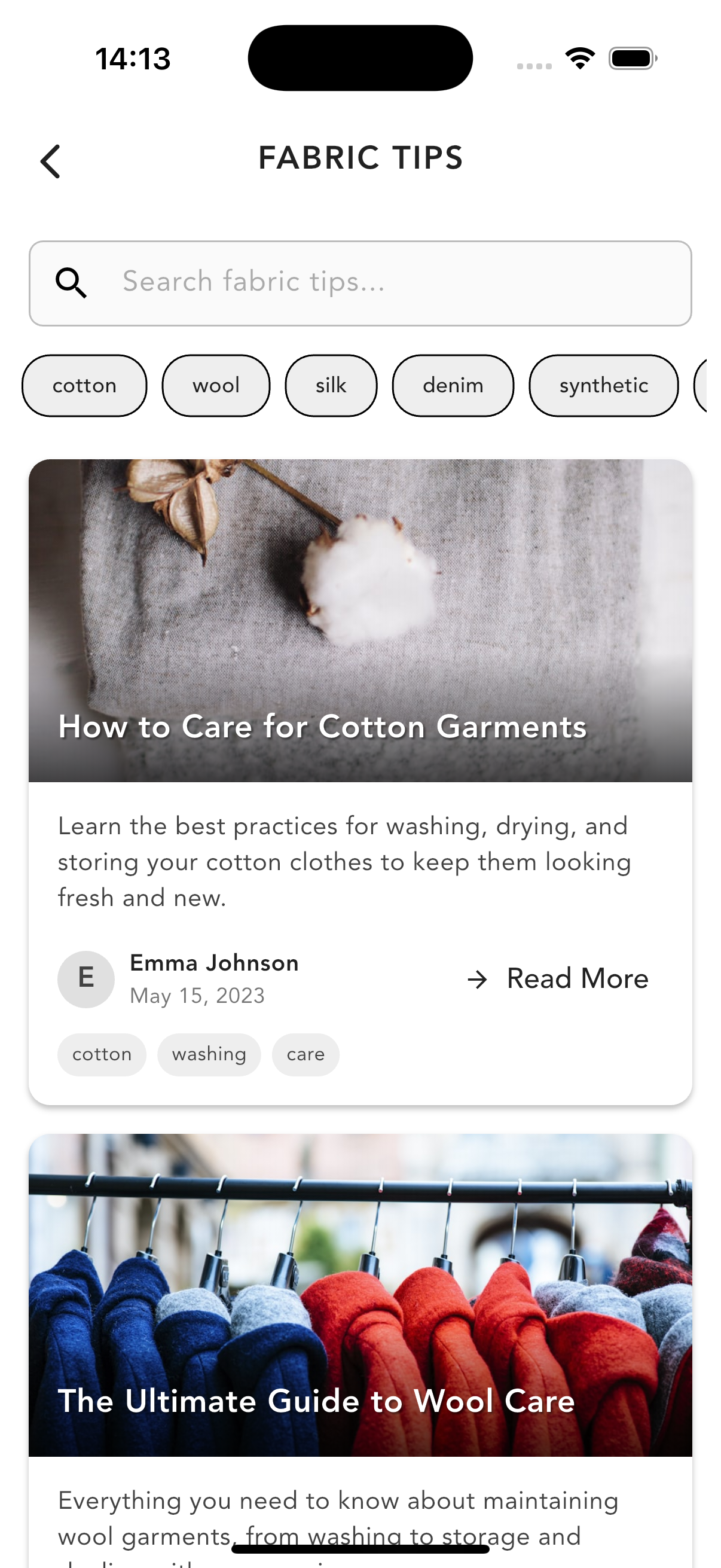
Fabric care tips feed in Drobe

Fabric care hub

Curated content cards that educate users on garment care.

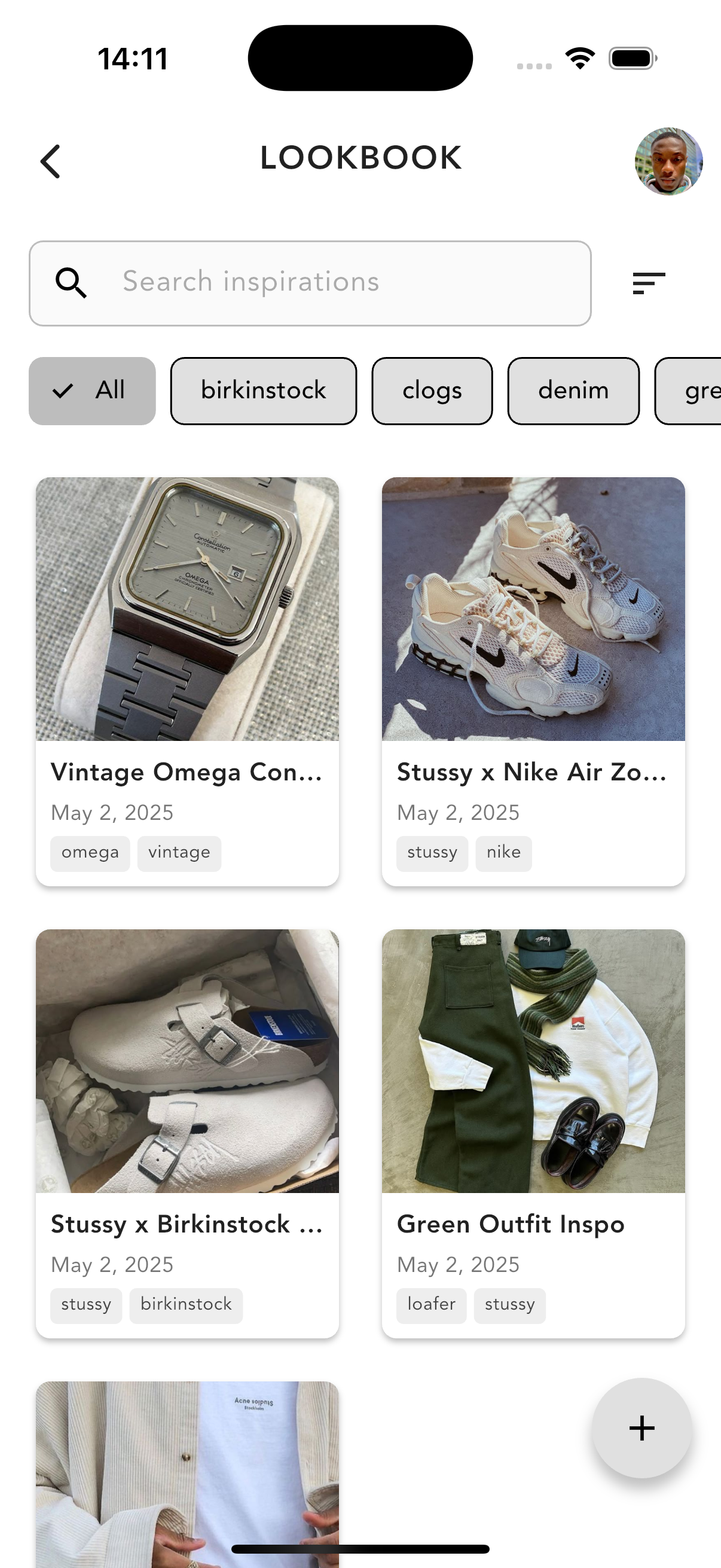
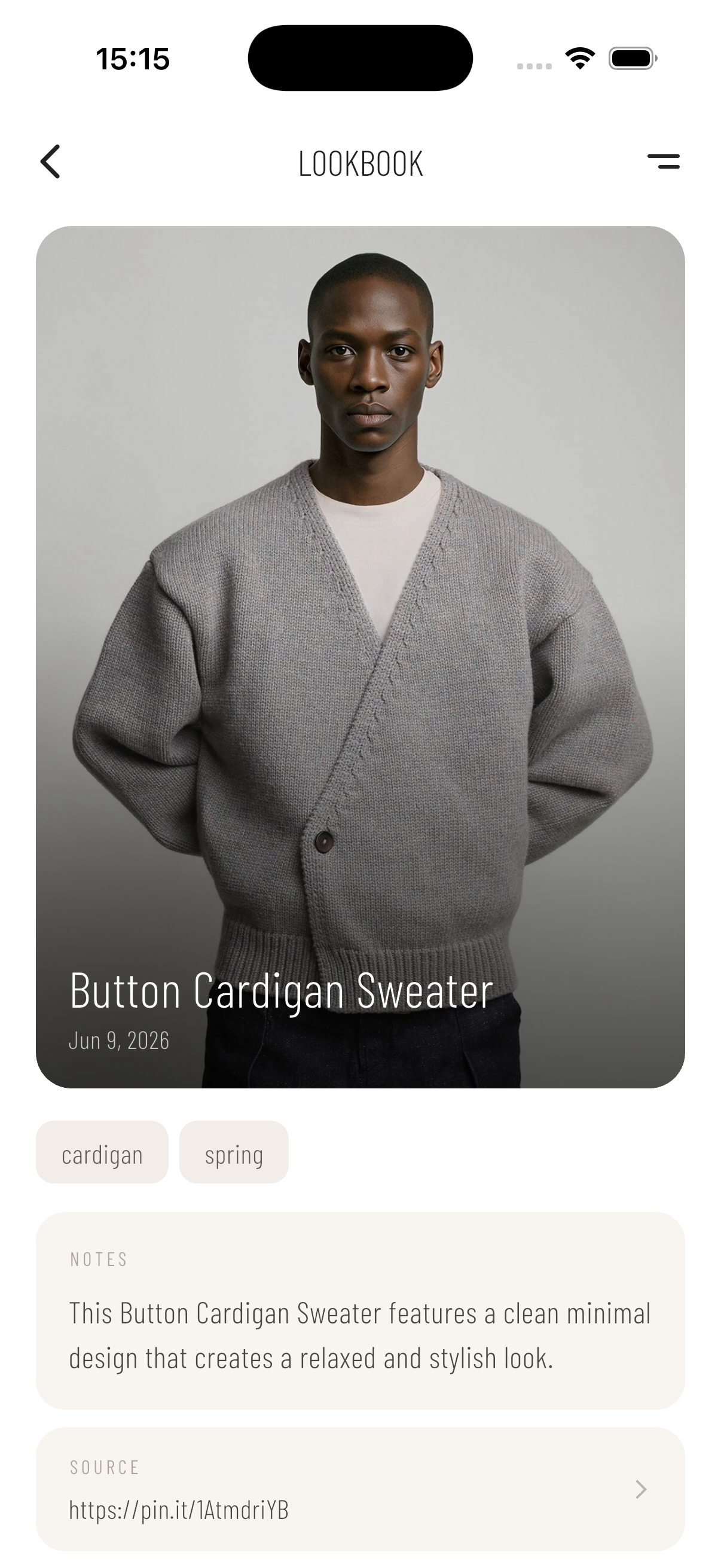
Lookbook inspiration grid in Drobe

Inspiration lookbook

Taggable inspiration boards to spark new outfit combinations.

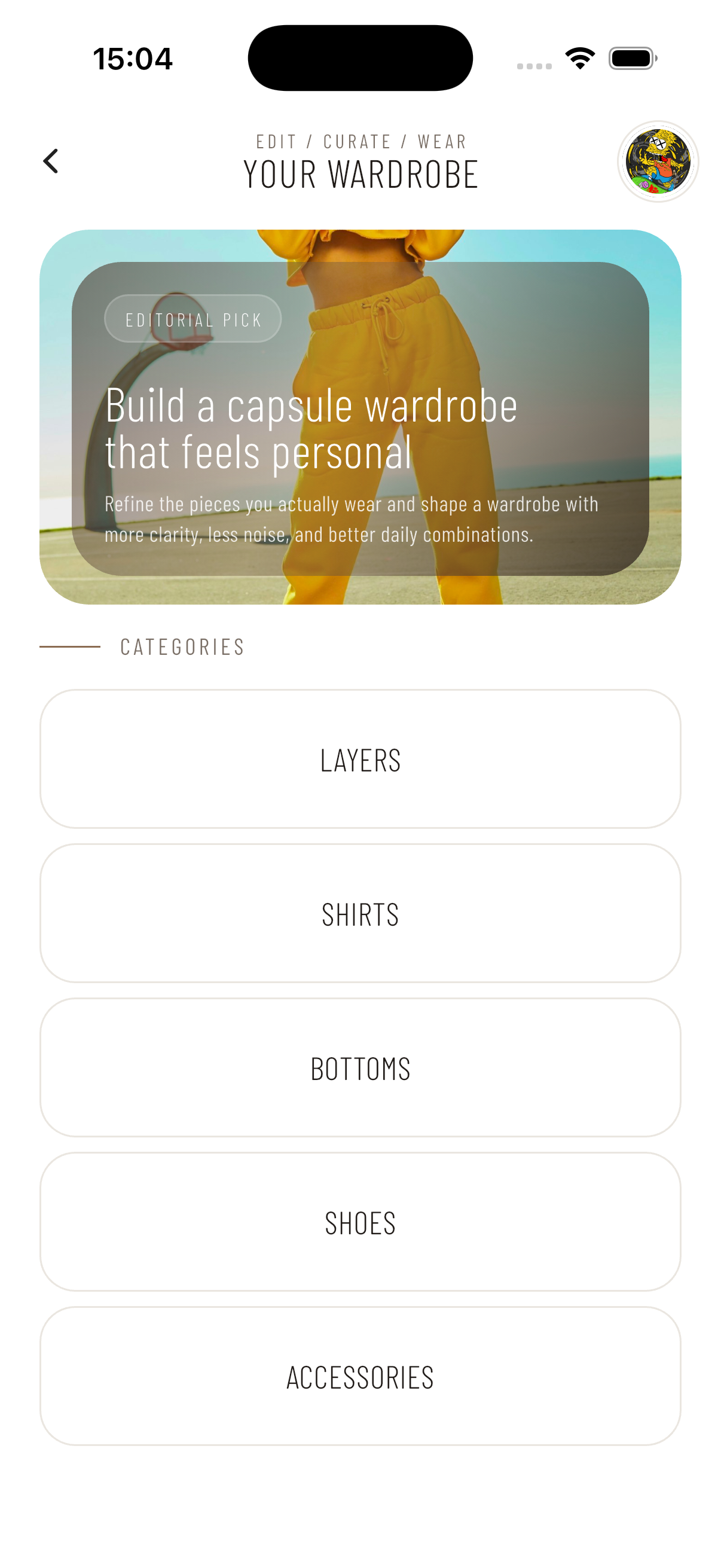
Capsule wardrobe article inside Drobe

Long-form editorials

Immersive reading experience to reinforce sustainable habits.

Outcome

  • Delivered a functional cross-platform prototype that reduces outfit planning friction through structured flows, filtering, and reusable saved outfits.
  • Reinforces sustainable behaviour by increasing awareness of owned items and encouraging rotation/reuse.
  • Built an extensible architecture for future features like recommendations, analytics, and multi-device sync.
  • Awarded a First-Class for innovation, technical depth, and usability.

Project Details

Role

UX Designer, Flutter Developer

Duration

Oct 2023 – Apr 2024

Tools

Flutter, Hive, Figma, Whimsical

Next Project

HMRC New Starter Service